A man selling goods by mail in the early 1920’s held his advertising to a higher standard of proof than most six-figure Google Ads accounts meet today. He had worse tools, yet, better data. The gap between him and us isn’t technological. It’s philosophical, and somewhere along the way, we lost it.
I know it’s easy to put on rose-colored glasses, especially for the “good old days” you didn’t happen to live in. For context, I was born in 1989 – the smoking section was still being phased out of restaurants. So the Mad Men era was well past my time. But my modest pedigree did install some of the wisdom from the classics in our trade. One book in particular: Scientific Advertising, written by Claude C. Hopkins in 1923.
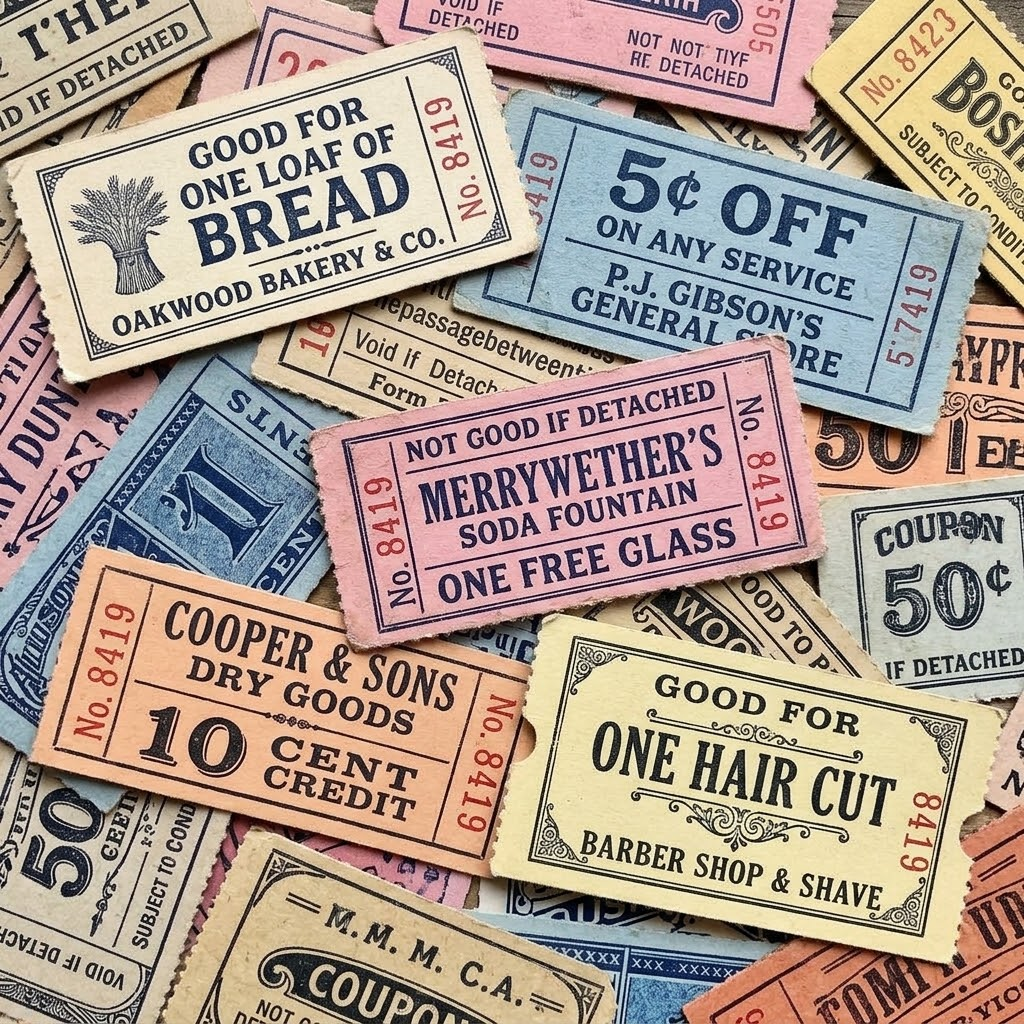
If you don’t know Hopkins, he’s the marketing genius often credited iwith instilling daily toothbrushing into the Western psyche (yes—a marketer did that). He also pioneered the coupon, not as a discount, but as a clever measurement device – a way to tie a specific message directly to a specific sale, with something close to test-and-control discipline, decades before anyone else called it that. David Ogilvy (the “father of advertising”) said of his book: “Nobody should be allowed to have anything to do with advertising until they have read this book seven times.”
When I read the classics, it becomes clear that – despite how much media has changed over the last century – shockingly little has actually changed in the discipline itself. Here’s Hopkins, a hundred years ago:
“The severest test of an advertising man is in selling goods by mail. But that is a school from which he must graduate before he can hope for success. Their cost and result are immediately apparent. False theories melt away like snowflakes in the sun. The advertising is profitable or it is not, clearly on the face of returns. Figures, which do not lie, tell one at once the merits of an ad.
This puts men on their mettle. All guesswork is eliminated. Every mistake is conspicuous. One quickly loses his conceit by learning how often his judgement errs—often nine times in ten.”
If this was the written standard in the 1920s, practiced in a direct line from Hopkins to Ogilvy, why has it fallen so short today?
Picture those two men looking at what sits on our desks today. They worked with mass mails, and later – television, radio, with hilariously thin attribution by today’s standards. We have – just off the top of my head:
- Living advertisements, in the form of landing pages, where the code underneath literally records what people look at and for how long
- Google Analytics, which traces the source of a session across channels, modelling the messy multi-touch decisions people make before they buy. Free software, by the way, which plus into the major platforms seamlessly
- Ad Platforms themselves – media buying today isn’t like your grandpa’s era. It’s brimming with first-and-third party data, tracking reach and interaction at a granularity those men could have only dreamed of
Yes, it’s still imperfect – we haven’t solved marketing attribution yet. GA4 samples data and adds statistical noise. Cookies changes and privacy considerations are constantly throwing spanners in the works. And even still, before AI even got here, we had world-class measurement available to us, essentially for free.
And yet, the standard of it’s use remains at the floor. I see many different accounts constantly. You’d be shocked at even enterprise, high-investment campaigns with complex moving parts – still using bog-standard, out-of-the-box configurations that nobody looks at.

Part of this, of course is the genuinely fractured media landscape. Many have written on this better than I have – people living in their filter-bubbles curated by social media algorithms. I’m sure this is uncontroversial – every thanksgiving and Christmas entrenches this further.
Yet, none of this explains a bog-standard GA4 config that nobody ever opens.
Here’s what I keep landing on. This is less a technological gap, than a philosophical one. Those scrappy operators at the turn of the century approached measurement in a way I think we’ve genuinely lost – not because we lack the tools, but because we lack the discipline Hopkins took for granted.
Ultimately, the Mad Men era was full of selling ideas. There was an ambient excitement. New technologies we'd never seen before that could change home and lifestyle forever. The future is here.
The agencies brought this to the masses. They were creative hubs of professionals—drinking, sure—but ideating together. Just one move, one brainstorming session, one critical insight away from the "big idea" that was going to change everything.
Where did that magic go?
Does anyone actually open your GA4?
The measurement Hopkins would have killed for is already on your desk. We set it up to answer real questions about your spend, and then we read it.
Let's Talk