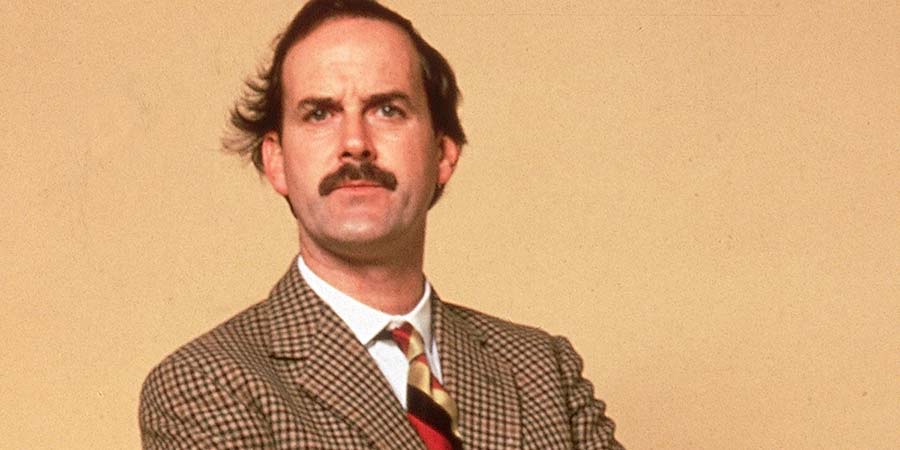
There's an episode of Fawlty Towers where Basil Fawlty places an advertisement for his hotel in a local magazine. In typical Basil fashion, he includes the phrase "no riff raff" directly in the copy.
The scene is absurd, of course. His wife Sybil is horrified. The guests are confused. But underneath the comedy lies an uncomfortable marketing truth that most businesses refuse to acknowledge: sometimes the best positioning move is being explicit about who you're not for.
The Everyone Trap
Most marketing decks I see start with some version of "our target market is anyone who..." followed by demographics so broad they're meaningless. Small businesses to enterprises. Budget-conscious to premium buyers. DIY customers to full-service clients.
This isn't positioning. This is refusing to position.
When you dilute your message to appeal to everyone, you actually appeal to no one. Your copy becomes generic. Your value proposition gets watered down. Your pricing sits awkwardly in the middle, too expensive for bargain hunters and too cheap for premium buyers to take seriously.
The worst part? You waste resources attracting customers who were never going to be a good fit. They complain about your pricing. They demand services you don't offer. They leave bad reviews because you weren't what they needed - which was obvious from the start if anyone had been honest.
The Courage to Repel
Basil Fawlty, for all his flaws, understood something most marketers don't: repelling the wrong customers is as valuable as attracting the right ones.
Look at any strong brand and you'll find clear lines about who they're not for. Patagonia actively discourages overconsumption. Rolex doesn't compete on value. Vanguard tells active traders to go somewhere else. They've made peace with the fact that many people won't like them - and that's the entire point.
This isn't about being difficult or elitist. It's about resource allocation. Every hour you spend serving a bad-fit customer is an hour not spent serving an ideal one. Every dollar of marketing budget chasing the wrong audience is a dollar not invested in reaching people who actually value what you do.
What "No Riff Raff" Actually Means
Obviously, you can't put "no riff raff" in your copy. That's where Basil went wrong - not in the intent, but in the execution.
But you can be clear about what you stand for and who benefits most from working with you. You can write copy that attracts sophisticated buyers and bores tire-kickers. You can price at a level that signals quality rather than chasing volume. You can describe your process in ways that excite ideal clients and intimidate bad fits.
Here's how this shows up in practice:
"We work with businesses from $500k to $50M+ in revenue. Minimum monthly ad spend is typically $10k, but we've worked with ambitious businesses at lower budgets when the fundamentals are strong."
That paragraph does several things at once. It sets expectations about scale. It establishes a minimum threshold. It leaves room for exceptions while making clear those exceptions require justification. Most importantly, it causes people to self-select out before wasting anyone's time.
The Positioning Paradox
The paradox is this: the narrower your positioning, the larger your actual market opportunity becomes.
When you try to be everything to everyone, you're competing on price and features in a commoditized race to the bottom. When you position clearly for a specific type of client, you can charge premium rates, build better systems, and create compound value through specialized expertise.
Your website doesn't need to resonate with everyone who visits it. It needs to resonate intensely with the right people - and clearly signal to the wrong people that they should look elsewhere.
Applied to Performance Marketing
This is why our homepage explicitly states we're "not a fit" for businesses that want weekly report theatre and constant bid micro-management. That sentence will offend some people. Perfect. Those people would be miserable working with us anyway.
It's why we talk about CFOs, PE partners, and treating marketing budgets like capital deployment. Those phrases bore the hell out of some readers and excite exactly the clients we want to work with.
It's why we maintain minimum engagement thresholds and work month-to-month with no lock-ins. Bad-fit clients select themselves out. Good-fit clients see it as confidence rather than gatekeeping.
The Real Lesson
Basil Fawlty was right about the principle, even if his execution was comedically terrible. The best marketing often involves making it obvious who you're not for so the right people immediately recognize themselves in your positioning.
Stop trying to appeal to everyone. Start repelling the wrong people with the same energy you use to attract the right ones. Your business will be smaller, more profitable, and significantly less annoying to run.
No riff raff indeed.
Are We The Right Fit?
We work with businesses that treat marketing like capital deployment. If you measure campaigns against real business outcomes instead of vanity metrics - let's talk.
Schedule a Consultation